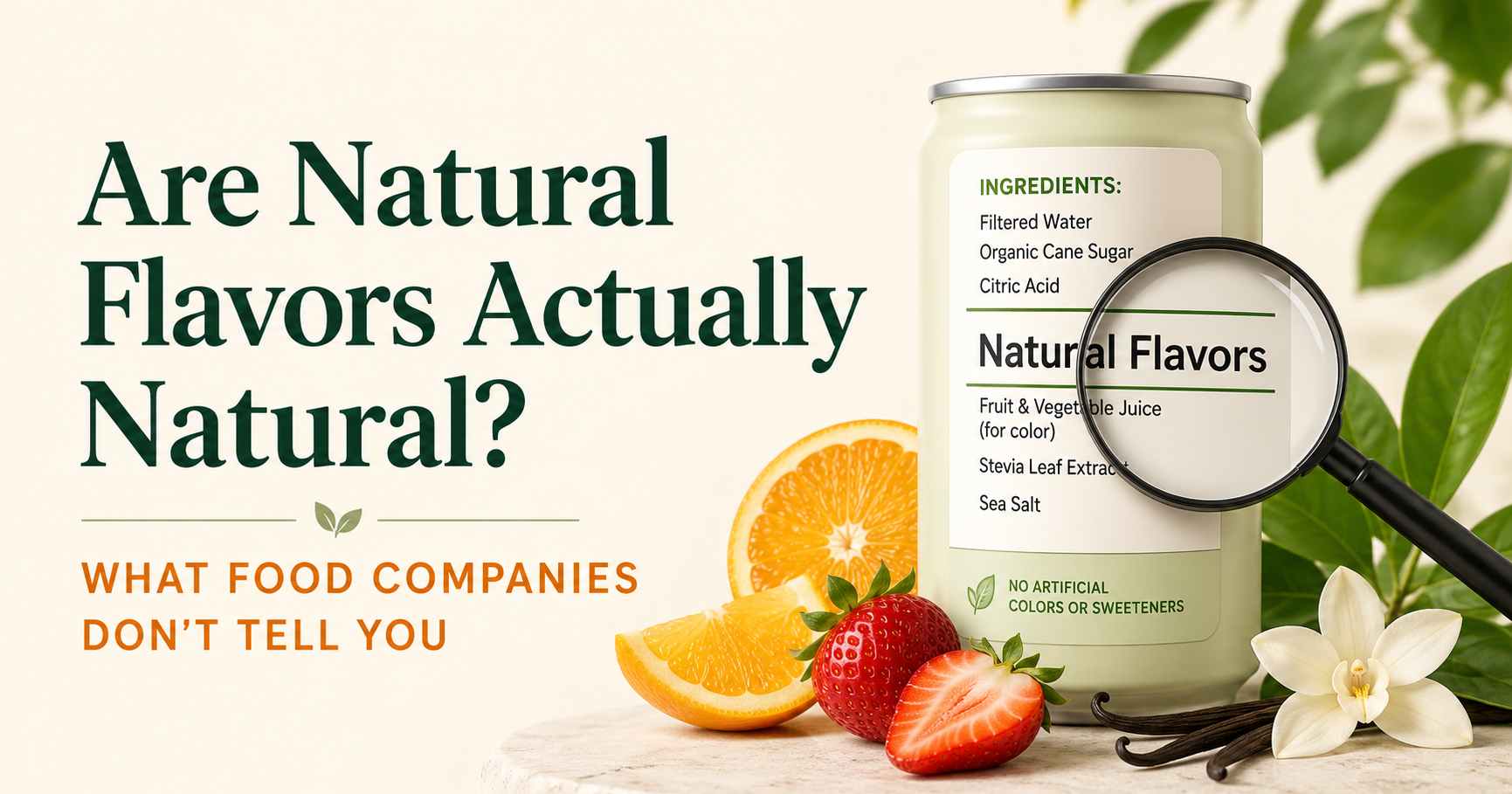
Are Natural Flavors Actually Natural? Here’s What Food Companies Don’t Tell You
If you’ve ever picked up a package of yogurt, protein bars, sparkling water, or even organic snacks, you’ve probably seen the words “natural flavors” listed in the ingredients.
At first glance, it sounds harmless. Maybe even healthy.
After all, if something is natural, it must come from nature, right?
Well… not exactly.
The truth is that “natural flavors” is one of the most misunderstood ingredients on food labels. While it sounds simple, the reality is a lot more complicated. And once you understand what the term actually means, you may start looking at ingredient lists a little differently.
What Are Natural Flavors?
According to food regulations, natural flavors are flavoring substances that originate from natural sources such as fruits, vegetables, herbs, spices, meat, seafood, or other plant and animal materials.
That sounds reassuring.
The catch is that the source may be natural, but the final flavor ingredient often goes through extensive processing before it ends up in your food.
In other words, “natural” describes where the flavor started—not necessarily what happened to it afterward.
Why Companies Use Natural Flavors
Food manufacturers use flavors for one simple reason: taste sells.
Processing, freezing, shipping, and storing foods can reduce their natural flavor. Manufacturers often add flavoring compounds to restore taste or make products more appealing.
Natural flavors can also help create consistency. Consumers expect their favorite products to taste exactly the same every time they buy them, regardless of where ingredients were grown or how the weather affected crops.
Does Natural Mean Healthier?
This is where many people get confused.
The term “natural flavors” doesn’t automatically mean a product is healthy.
A highly processed snack can contain natural flavors. A sugary beverage can contain natural flavors. Even foods marketed as wholesome or clean can contain them.
Natural flavors are not nutritional ingredients. They’re added for taste, not for health benefits.
So when evaluating a product, it’s important to look at the entire ingredient list rather than focusing on one appealing-sounding term
What About MSG?
One concern I hear frequently involves MSG (monosodium glutamate) and whether it can be hidden under the term “natural flavors.”
Over the years, I’ve personally called several food companies to ask whether their natural flavor blends contained MSG or MSG-derived ingredients. Some representatives told me their products did not contain MSG. Others acknowledged that ingredients related to flavor enhancement were included, even though they weren’t specifically listed as MSG on the label.
Because ingredient labeling rules can be complex, consumers don’t always get a clear answer from the package alone. If avoiding MSG is important to you, contacting the manufacturer directly may be the best way to get more information about what’s actually in a product.
Why Some People Avoid Natural Flavors
Some consumers choose to limit products containing natural flavors because ingredient labels typically don’t disclose the exact substances used in the flavor blend.
Manufacturers are often allowed to list them collectively as “natural flavors” rather than identifying every component.
For people with sensitivities, allergies, or those trying to eat as simply as possible, this lack of transparency can be frustrating.
Others simply prefer foods made from recognizable ingredients they could find in their own kitchen.
Should You Be Concerned?
For most people, natural flavors are not something to panic about.
But they are something worth understanding.
The bigger issue isn’t usually the flavoring itself—it’s the fact that the term can make heavily processed foods appear healthier than they really are.
A package covered in words like “natural,” “organic,” or “made with real fruit” can still contain ingredients that deserve a closer look.
My Take
Personally, I don’t lose sleep over natural flavors.
But I also don’t assume that a product is healthy just because I see the word “natural” on the label.
If I see natural flavors on a product I’m considering buying and there aren’t many alternative options available, I sometimes contact the company directly to ask questions. I prefer knowing as much as possible about what’s in my food rather than relying solely on marketing terms.
When I’m grocery shopping, I try to focus on foods that contain simple, recognizable ingredients whenever possible. The fewer mysteries on the ingredient list, the better.
Natural flavors aren’t necessarily the villain of the food world. They’re just another reminder that food labels are often designed to sell products—not educate consumers.
And that’s exactly why it’s worth learning what those little words really mean.