

Introduction: Your Body Is Always Working for You

Your body is doing quiet, amazing work every single day.
It repairs tissue. It responds to stress. It digests food, circulates nutrients, manages inflammation, clears waste, and helps you recover from everyday wear and tear. You may not always notice these natural repair and recovery processes, but they are happening in the background all the time.
That does not mean the body can magically fix everything on its own, and natural wellness habits should never replace professional medical care when you need it. But the choices you make each day — what you eat, how you rest, how you manage stress, how you move, and how you care for your emotional well-being — can help create a more supportive environment for your overall health.
In this article, we’ll look at natural healing in a more grounded way: not as a quick fix or cure, but as a gentle, whole-person approach to supporting your mind, body, and soul.
Affiliate disclosure: Some of the links in this article may be affiliate links, which means I may earn a small commission if you choose to make a purchase through them, at no extra cost to you. I only mention products or resources that fit naturally with the topic and may be helpful for readers interested in clean living and wellness.
What Does “Natural Healing” Really Mean?
Natural healing is often used to describe the body’s built-in ability to repair, recover, and return to balance.
This includes everyday processes, like:
-
Skin repairing after a small cut
-
Muscles recovering after exercise
-
The immune system responding to germs
-
The nervous system calming down after stress
-
The digestive system breaking down and absorbing nutrients
-
The body restoring itself during sleep
A holistic approach looks at the whole person—not just one symptom or one habit. Food, movement, hydration, sleep, stress, emotions, environment, and relationships can all play a role in how supported your body feels.
Natural wellness does not have to be complicated. Often, it starts with simple choices repeated consistently.
The Science of Recovery: Your Body Has Built-In Support Systems
Your body has several systems that work together to support repair and recovery.
Your immune system helps identify and respond to harmful invaders. Your circulatory system delivers oxygen and nutrients throughout the body. Your nervous system helps regulate stress responses. Your hormones help coordinate many internal processes. Your digestive system helps turn food into usable fuel.
When something happens — like a small injury, stress, poor sleep, or exposure to germs — your body responds. It may send immune cells to an area, increase blood flow, trigger inflammation temporarily, or signal you to rest.
Inflammation, for example, is not always “bad.” It is part of the body’s normal response. The goal is not to fear inflammation, but to support the body with daily habits that encourage balance.
That is where lifestyle can make a meaningful difference.
Food as a Foundation for Wellness
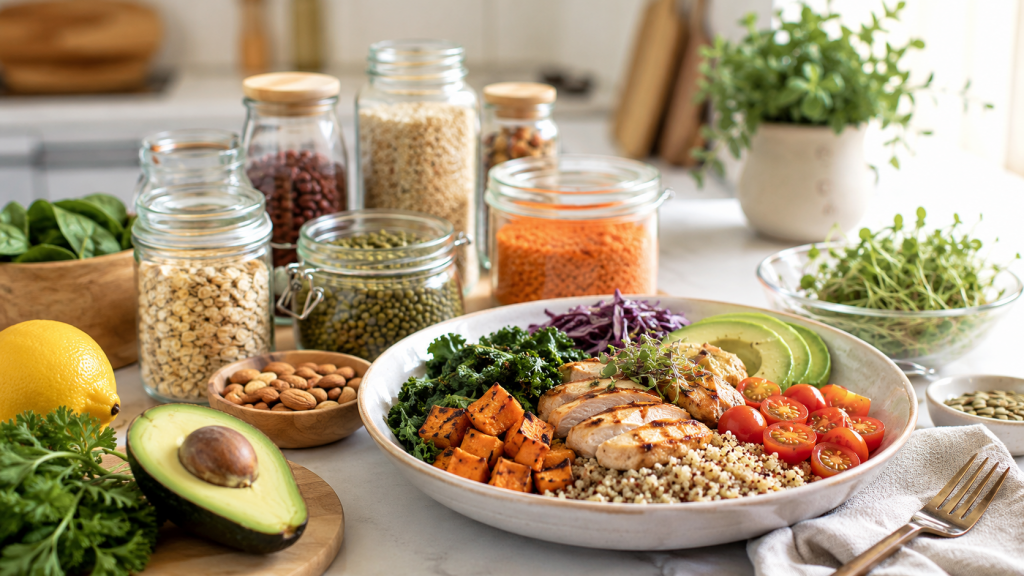
One of the most powerful places to begin is with food.
A nutrient-dense diet gives your body the building blocks it needs to function well. This does not mean every meal has to be perfect. It means making more choices that nourish you and fewer choices that leave you feeling depleted.
Helpful food habits may include:
-
Eating more colorful fruits and vegetables
-
Choosing whole foods when possible
-
Including mineral-rich foods
-
Choosing organic when it fits your budget
-
Reducing highly processed packaged foods
-
Reading ingredient labels
-
Avoiding artificial ingredients when possible
-
Paying attention to how certain foods make you feel
For me, clean eating is not about restriction. It is about creating a lifestyle that feels supportive, realistic, and deeply nourishing.
If you want a simple place to start, you might choose just one pantry upgrade this week — maybe a cleaner snack, better cooking oil, organic herbs, or a non-GMO staple you use often.
A resource like Thrive Market can be helpful for finding organic, non-GMO, cleaner pantry staples, healthier snacks, and wellness-supportive products in one place. It can be especially useful if you are trying to slowly replace common household or pantry items with cleaner options.
Want a simple place to start with clean eating?
Download my free guide, 5 Simple Steps to Clean Eating, and learn a few easy ways to begin choosing cleaner ingredients, upgrading your pantry, and creating healthier daily habits without feeling overwhelmed.
You may also enjoy reading Is Sparkling Water Healthy? 5 Smart Things to Know for another practical look at everyday wellness choices.
Herbs and Supplements Can Be Supportive—But They Are Not Magic

Herbs and supplements can be part of a wellness routine, but it is important to think of them as supportive tools, not guaranteed solutions.
For example, turmeric has been traditionally used in wellness routines and is often discussed for its connection to inflammation support. A product like Gaia Herbs Turmeric Supreme Extra Strength may be worth exploring if turmeric already fits your wellness goals.
That said, turmeric supplements are not right for everyone. If you take medications, have a health condition, are preparing for surgery, or are unsure about supplement safety, it is always wise to check with a qualified healthcare professional first.
The same goes for any supplement: quality matters, but so does your personal situation.
Your Immune System Loves Daily Support
Your immune system is one of your body’s most important defense and recovery systems. But supporting immune health is not about chasing one “miracle” ingredient.
It is about the basics:
- Getting enough sleep
- Eating nutrient-dense foods
- Staying hydrated
- Managing stress
- Moving your body
- Spending time outdoors when possible
- Maintaining healthy social connections
- Supporting gut health
Vitamin C, vitamin D, zinc, and antioxidants all play important roles in normal immune function. Many people choose to get these nutrients through food first and then use supplements when needed.
Nordic Naturals Vitamin C Gummies may be a convenient option for those who want an easy vitamin C supplement. Just be mindful of added sugars and your overall nutrition needs.
And remember: supplements can support a wellness routine, but they do not replace a balanced diet, quality sleep, or medical care when needed.
The Gut-Mood Connection: Supporting Digestion and Emotional Wellness
Your gut and brain are closely connected. Many people notice that stress affects digestion, and digestive discomfort can affect mood, energy, and overall well-being.
This connection is one reason gut health has become such a popular wellness topic. A supportive gut routine may include:
-
Eating more fiber-rich foods
-
Including fruits and vegetables
-
Drinking enough water
-
Reducing overly processed foods
-
Managing stress
-
Eating slowly and mindfully
-
Considering fermented foods if they work for your body
A probiotic such as Wellmade Mood Daily Probiotic may be worth exploring for people interested in gut health support. Because every body is different, it is best to view probiotics as something to test thoughtfully rather than something that promises a guaranteed result.
If you are sensitive to supplements or have digestive concerns, consider checking with a healthcare professional before adding something new.
The Mind-Body Connection: Stress Matters

Your thoughts, emotions, and stress levels can influence how your body feels.
When you are under ongoing stress, your body may stay in a more activated state. You might notice tension, shallow breathing, digestive changes, fatigue, cravings, or trouble winding down. This does not mean your thoughts “cause” every physical issue, but it does mean emotional wellness deserves a place in the conversation.
Simple practices that may support your mind-body connection include:
-
Taking a few slow breaths before meals
-
Practicing mindfulness for five minutes
-
Journaling before bed
-
Stretching gently
-
Taking a short walk outside
-
Listening to calming music
-
Creating a peaceful evening routine
-
Spending time with people who help you feel supported
You may also enjoy 5 Simple Mindfulness Exercises for Beginners as a gentle next step.
Create a Calming Environment
Your environment can either add stress or help you feel more grounded.
This does not mean your home has to look like a spa. Sometimes it is as simple as dimming the lights, clearing one surface, playing soft music, or creating a small corner where you can breathe and reset.
A beautiful option to consider is the Pagua Bay Votive Candle, which can help create a warm, calming atmosphere during an evening routine, meditation moment, or quiet reset. It will not “heal” the body, but soft lighting and a peaceful scent can be a gentle reminder to slow down, breathe, and create a calmer space for yourself.
Use candles carefully, and never leave them unattended. Keep them away from pets, children, loose fabric, and anything flammable.
Sleep and Rest: One of the Most Overlooked Wellness Habits
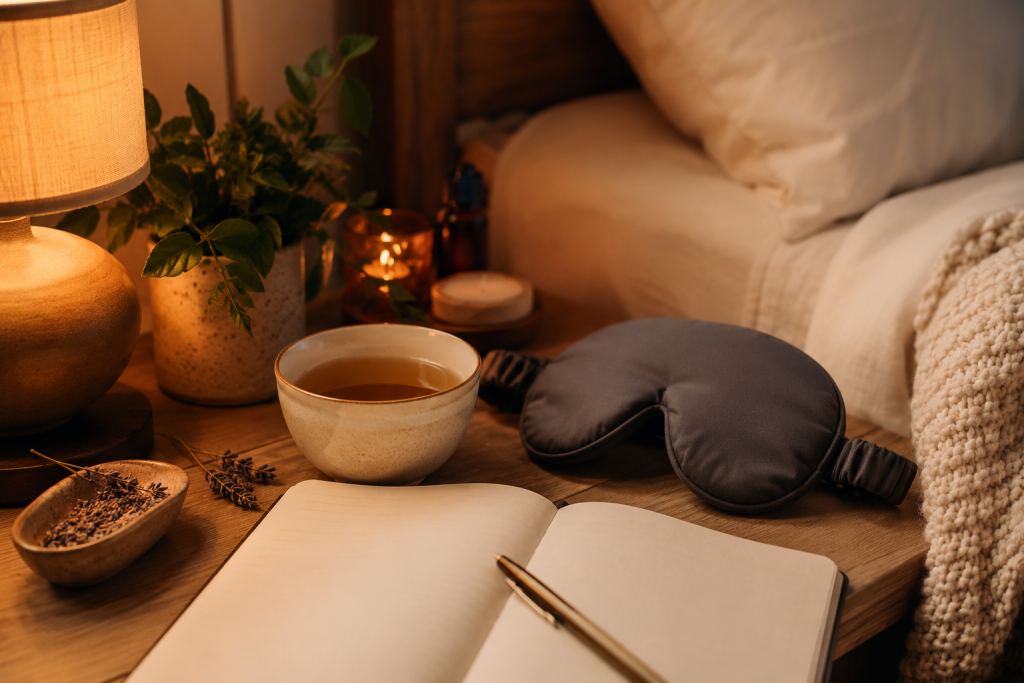
Sleep is one of the most important parts of a supportive wellness routine.
During rest, the body performs many important maintenance tasks. Sleep supports energy, mood, focus, immune function, hormone regulation, and overall recovery. And yet, it is often the first thing we sacrifice when life gets busy.
A few gentle sleep-supportive habits include:
-
Creating a consistent bedtime rhythm
-
Reducing screen time close to bed
-
Keeping the room dark and cool
-
Avoiding heavy meals too close to bedtime
-
Writing down tomorrow’s tasks so your mind can relax
-
Practicing a few slow breaths before sleep
-
Creating a cozy wind-down routine
If you like using comfort tools, the Thrive Market Weighted Sleep Mask Set may be one optional addition to a calmer bedtime routine. A weighted sleep mask will not fix sleep issues or heal the body, but it can be a comforting part of winding down and creating a more restful sleep environment.
Think of it as a gentle cue: “The day is done. It is time to rest.”
Movement Helps the Body Feel Supported

Movement is another simple way to support your body’s natural processes.
You do not have to do intense workouts to benefit from movement. Walking, stretching, dancing, yoga, light strength training, gardening, or simple mobility exercises can all help support circulation, mood, flexibility, and energy.
The key is to choose movement that feels doable.
If you are just getting started, try this:
-
Walk for 10 minutes after a meal
-
Stretch your neck and shoulders during computer breaks
-
Put on music and move for one song
-
Do gentle yoga before bed
-
Stand outside in the morning light for a few minutes
Small movement counts. Your body does not need perfection — it needs consistency and kindness.
Emotional Wellness and Connection Matter Too
Wellness is not only about food and fitness.
Your relationships, thoughts, grief, joy, stress, purpose, and sense of connection all matter. Many people overlook emotional wellness because it feels less measurable, but it can deeply affect how we show up in our daily lives.
Supportive emotional habits may include:
-
Talking with a trusted friend
-
Practicing gratitude
-
Spending time in prayer or meditation
-
Setting healthier boundaries
-
Asking for help when you need it
-
Making room for rest without guilt
-
Choosing thoughts and environments that nourish you
This is where mind, body, and soul come together.
Healing is not always linear. Some seasons require more support, more patience, and more grace.
Simple Daily Habits That Support Natural Wellness
You do not need to overhaul your entire life at once.
Start with one small habit and build from there.
1. Drink More Water
Hydration supports digestion, circulation, energy, and overall body function. Keep a glass or bottle nearby and sip throughout the day.
2. Upgrade One Pantry Staple
Choose one item you use often and look for a cleaner version. This could be salad dressing, crackers, cooking oil, broth, seasoning, or snack bars.
If you want an easy way to browse cleaner swaps, Thrive Market is a helpful place to look for organic pantry staples, non-GMO options, wellness products, and healthier snacks.
3. Take One Mindful Breath
Before meals, pause and take one slow breath. This can help you shift out of rushing mode and into a more present state.
4. Add One Color to Your Plate
Add berries, greens, carrots, sweet potatoes, peppers, herbs, or another colorful whole food to your meal.
5. Create a Bedtime Cue
Dim the lights, turn off screens earlier, put on calming music, use a sleep mask, or write a few lines in a journal.
6. Move for Five Minutes
A short walk, stretch, or gentle movement session can help you reconnect with your body.
For more personal inspiration, you may want to read my personal clean eating journey.
FAQ: Natural Healing and Everyday Wellness
What is natural healing?
Natural healing refers to the body’s natural repair, recovery, and balancing processes. In a holistic wellness context, it usually means supporting the body through habits like nourishing food, hydration, rest, movement, stress reduction, and emotional wellness.
Can natural wellness habits replace medical care?
No. Natural wellness habits can support overall well-being, but they should not replace professional medical care, diagnosis, or treatment. If you have symptoms, a medical condition, or concerns about your health, it is best to work with a qualified healthcare professional.
What is the easiest wellness habit to start with?
Start with something simple and realistic. Drinking more water, adding one fruit or vegetable to your day, taking a short walk, or creating a calmer bedtime routine are all gentle starting points.
Are supplements necessary for natural wellness?
Not always. Food, sleep, hydration, movement, and stress support are foundational. Supplements can be helpful for some people, but they should be chosen carefully based on your needs, lifestyle, and any guidance from your healthcare provider.
How can I make clean eating easier?
Start by upgrading one pantry staple at a time. You do not need to throw everything away or change overnight. Focus on simple swaps, cleaner ingredients, and foods you actually enjoy.
Conclusion: Start Small and Support Your Body with Care
Your body is always working on your behalf.
Every glass of water, every nourishing meal, every mindful breath, every walk, every good night of rest, and every peaceful moment you create is a way of saying, “I am supporting myself today.”
Natural healing does not have to mean chasing big promises or doing everything perfectly. It can simply mean creating a lifestyle that gives your body more of what it needs and less of what leaves you feeling drained.
Start with one small wellness habit today.
Ready to take your first step toward cleaner eating?
Grab my free guide, 5 Simple Steps to Clean Eating, and start with simple, realistic swaps that support your wellness journey one habit at a time.
Drink more water. Take a mindful breath. Improve your sleep routine. Upgrade one pantry staple. Add something colorful to your plate. Choose one small act of care and let that be enough for today.
For more clean living and holistic wellness ideas, explore more articles here on the blog, including:
Your wellness journey does not have to be perfect. It just has to begin—one supportive choice at a time.