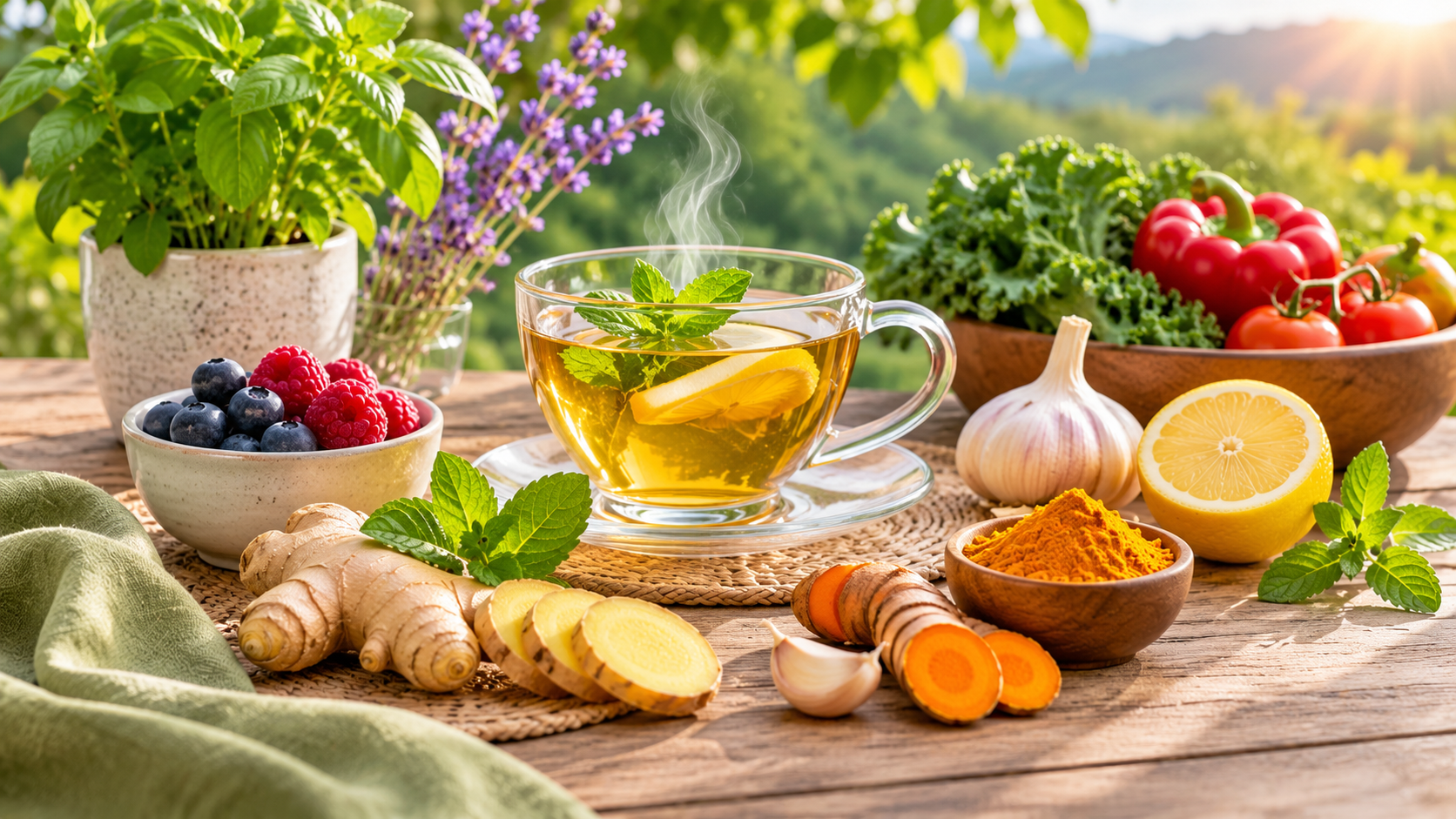
There’s something remarkable about the way nature supports our health. From the nourishing foods we eat to the calming effects of spending time outdoors, the natural world offers countless opportunities to care for our bodies and minds.
For thousands of years, people have turned to plants, herbs, nutritious foods, and traditional wellness practices to support their well-being. Today, modern science continues to investigate many of these approaches, helping us better understand both their potential benefits and their limitations.
Let’s explore the fascinating connection between traditional natural healing practices, modern research, and the simple lifestyle choices that can contribute to a healthier, more balanced life.
The Historical Roots of Natural Healing
Natural healing practices have been part of human history for thousands of years.
Ancient civilizations, including the Egyptians, Greeks, and various Indigenous cultures, developed traditions involving medicinal plants, herbs, nutrition, and other natural approaches to health.
Many of these practices were passed down through generations, preserving valuable knowledge about the relationship between people and the natural world.
One fascinating example is willow bark, historically used to relieve pain. Willow bark contains salicin, a compound associated with the development of aspirin.
This doesn’t mean every traditional remedy has been scientifically proven. However, it demonstrates how studying plants and traditional knowledge can contribute to modern medical discoveries.
The Science of Phytotherapy: Healing with Plants
Phytotherapy refers to the medicinal use of plants and plant-derived preparations.
Plants naturally produce an impressive variety of compounds, including flavonoids, alkaloids, terpenes, and phenolic compounds. Scientists study these substances to better understand their biological activities and possible health benefits.
Two familiar examples are echinacea and turmeric.
Echinacea has a long history of traditional use, particularly for seasonal wellness. Researchers have investigated whether certain echinacea preparations may help prevent or relieve common cold symptoms. Results have been mixed, and benefits may depend on the preparation.
Turmeric, the golden-yellow spice commonly used in cooking, contains curcumin, a compound studied for its antioxidant and anti-inflammatory properties. Some research suggests that certain turmeric or curcumin preparations may help with knee osteoarthritis symptoms, although the evidence is not strong enough to establish clear benefits for many other health conditions.
What’s especially interesting is that you don’t need to purchase a specialized supplement to begin appreciating plants.
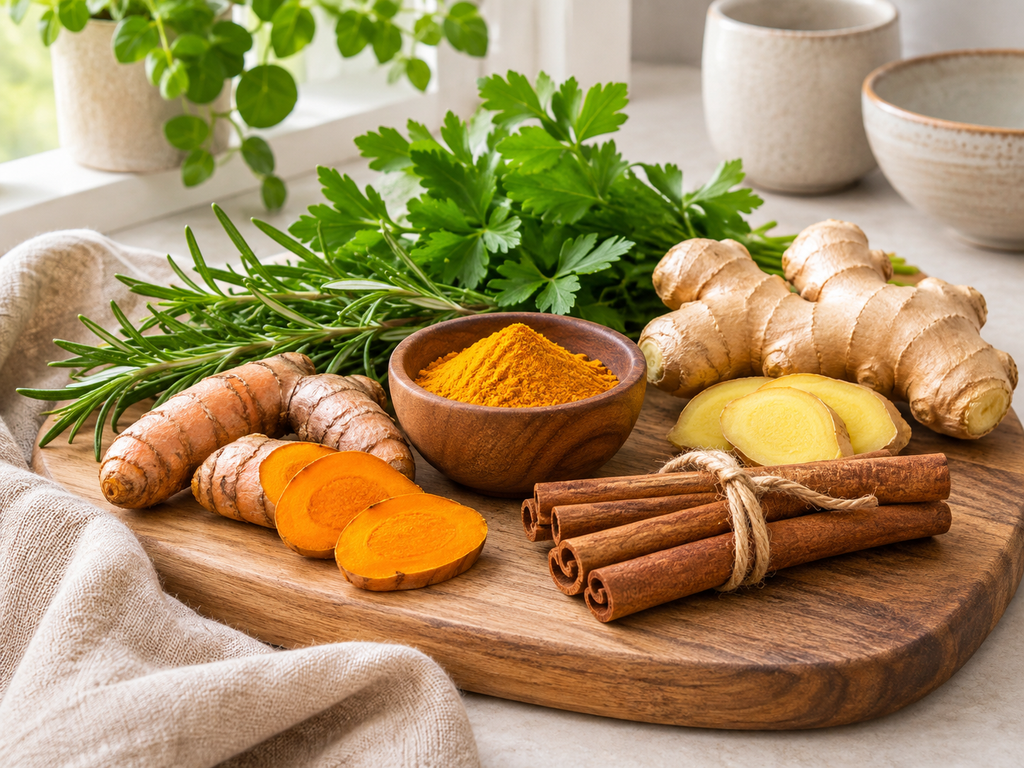
Herbs and spices such as turmeric, ginger, rosemary, cinnamon, and parsley can add wonderful flavors and variety to everyday meals.
Of course, using a culinary herb is different from taking a concentrated medicinal extract. Herbal supplements can have side effects or interact with medications. Some concentrated turmeric and curcumin products have also been associated with liver injury, making it important to understand what you’re taking.
A simple place to start: Experiment with fresh herbs and spices when preparing wholesome meals. It’s an enjoyable way to explore the world of plants while making everyday cooking more interesting.
The Microbiome: Gut Health and Natural Immunity
Did you know your digestive system is home to trillions of microorganisms?
Together, these bacteria, fungi, viruses, and other microorganisms form what we call the gut microbiome.
Researchers have discovered that the gut microbiome plays important roles in digestion, metabolism, and immune function. Scientists are also investigating its connections to other aspects of health, including communication between the gut and brain.
One of the most practical ways to support digestive wellness is through a varied, nutrient-rich diet.
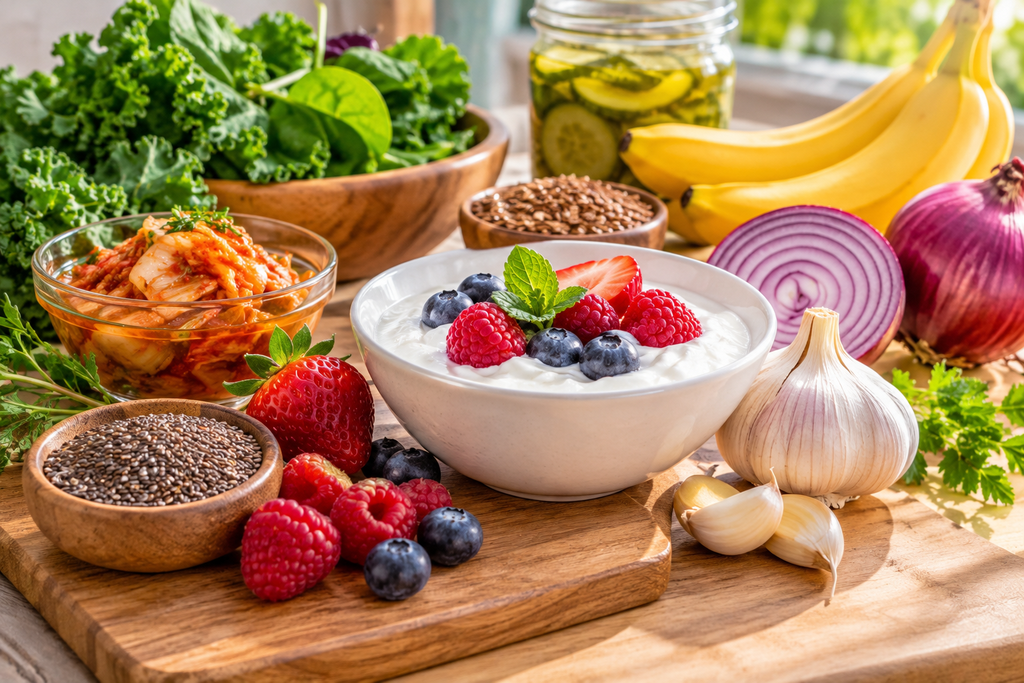
Fermented foods such as yogurt with live cultures, kefir, and certain types of sauerkraut may contain live microorganisms. However, not every fermented food contains live cultures, and not all live microorganisms have demonstrated probiotic benefits.
Prebiotic-rich foods provide certain fibers and compounds that beneficial gut microorganisms can use. Examples include garlic, onions, bananas, asparagus, and other plant foods.
Eating a variety of fruits, vegetables, legumes, and whole grains can help provide dietary fiber that supports digestive health.
And here’s something worth remembering: Gut health doesn’t have to begin with an expensive supplement.
Often, it begins with the everyday foods we choose.
The Power of Essential Oils and Aromatherapy
The fragrance of lavender, the refreshing scent of peppermint, or the aroma of fresh citrus can create a memorable sensory experience.
For centuries, aromatic plants have been used in traditional wellness and relaxation practices.
Aromatherapy involves using aromatic plant extracts, often essential oils, with the intention of supporting comfort or well-being.
Essential oils contain concentrated natural compounds responsible for their characteristic fragrances. Researchers continue to investigate how exposure to these aromatic substances may affect mood, relaxation, and other experiences.
Lavender is one of the most frequently studied examples. Some people find its aroma relaxing, although scientific research has not yet established whether lavender aromatherapy reliably improves stress, anxiety, or sleep.
It’s also important to distinguish between enjoying a pleasant fragrance and using an essential oil to treat a medical condition.
For example, tea tree oil has been studied for certain topical applications, but it should not be swallowed and can irritate the skin.
Essential oils require appropriate handling, dilution when used on the skin, and additional precautions around children, pets, and people with respiratory sensitivities.
For everyday relaxation, you might simply enjoy the aroma of fresh herbs, flowers, or citrus while creating a peaceful environment in your home.
Sometimes, the most comforting wellness rituals are also the simplest.
Healing with Natural Minerals and Vitamins
Our bodies depend on essential vitamins and minerals to carry out countless everyday functions.
From supporting bones and muscles to maintaining normal immune function, these nutrients are fundamental to good health.
Magnesium, found in leafy greens, nuts, seeds, legumes, and whole grains, contributes to normal muscle and nerve function, energy production, and many other biological processes.
Vitamin C, abundant in citrus fruits, strawberries, kiwi, and bell peppers, supports collagen production, normal immune function, and the body’s antioxidant defenses.
Rather than focusing exclusively on individual nutrients, I believe it’s helpful to look at the bigger picture: the variety and quality of the foods we eat.
Colorful vegetables, fresh fruits, nuts, seeds, legumes, and other minimally processed foods offer a wonderful combination of nutrients, fiber, and naturally occurring plant compounds.
While supplements can be useful for correcting certain deficiencies or meeting specific health needs, they aren’t automatically better simply because they’re labeled natural.
Whole foods provide many nutritional components together, making them an excellent foundation for everyday wellness.
An easy habit to try: Add one more colorful vegetable or fruit to your meals each day. Small improvements can make healthy eating feel much more manageable.
Mind-Body Connection: Meditation and Natural Healing
Our mental and emotional well-being are closely connected to our physical health.
When we’re under stress, our bodies respond through changes in hormones, breathing, heart rate, and other physiological processes.
Although occasional stress is a normal part of life, ongoing stress can affect sleep, mood, and overall well-being.
That’s one reason practices such as meditation, mindfulness, gentle movement, and relaxation have attracted growing scientific interest.
Research suggests that meditation and mindfulness-based approaches may help some people manage stress and symptoms of anxiety or depression. Studies have also explored possible benefits for sleep and blood pressure, although findings vary.
Meditation doesn’t have to be complicated.
You don’t need an elaborate routine or a perfectly quiet environment to begin.
You might start by sitting comfortably for five minutes, gently focusing on your breathing, and allowing yourself a little space away from the day’s distractions.
Other people prefer mindful walking, journaling, prayer, or quiet reflection.
The goal isn’t to force your mind to become completely silent. It’s to develop greater awareness and create opportunities for calm.
And while these practices can complement professional care, they shouldn’t replace necessary medical or mental health treatment.
The Role of Lifestyle in Natural Healing
Natural wellness is about more than individual foods, herbs, or relaxation techniques.
It’s also about the choices we make consistently.
A balanced lifestyle that includes nutritious food, regular physical activity, restorative sleep, and healthy stress management can support many aspects of physical and emotional well-being.
The encouraging part is that you don’t have to change everything at once.
Consider incorporating a few simple habits:
- Choose more whole foods. Include a variety of vegetables, fruits, legumes, whole grains, nuts, and seeds.
- Move your body regularly. Walking, swimming, gardening, dancing, and gentle yoga can all contribute to an active lifestyle.
- Make time for relaxation. Enjoy meditation, breathing exercises, or moments of quiet reflection.
- Spend time outdoors. A peaceful walk through a park or garden can provide a welcome change of scenery.
- Prioritize quality sleep. Establishing consistent evening habits can support better rest.
- Prepare more meals at home. Cooking gives you greater control over ingredients and helps you become more familiar with the foods you’re eating.
Perhaps the most important lesson is that lasting wellness habits don’t have to be dramatic.
They simply need to be practical enough to become part of your everyday life.
One of my favorite ways to make healthy living easier is by preparing simple, nourishing meals at home. You don’t need complicated recipes or expensive ingredients to begin eating better. If you’re looking for a little inspiration, I’ve put together some Simple Clean Eating Meal Ideas for Beginners to help you bring more wholesome foods into your everyday routine.
Ready to Bring More Healthy Habits into Your Life?
A healthier lifestyle doesn’t have to begin with a complete overhaul. Sometimes, small changes can make a meaningful difference over time.
That’s the inspiration behind my book, 101 Small Wellness Habits for Everyday Living. It’s filled with practical ideas to help you bring more balance, nourishment, and intentional living into your everyday routine—one manageable habit at a time.
Explore 101 Small Wellness Habits
Putting Natural Wellness into Practice
It’s easy to become fascinated by a new herb, supplement, wellness trend, or traditional healing practice.
But when it comes to building a healthier lifestyle, there’s tremendous value in returning to the basics.
Imagine beginning your morning with a nourishing breakfast instead of rushing out the door without eating.
Perhaps you take a short walk after lunch, add more vegetables to dinner, or set aside a few peaceful minutes before bedtime.
None of these activities promises a miraculous transformation.
Instead, they’re examples of small, supportive choices that can contribute to your well-being over time.
Natural healing practices can also be deeply personal. Some people enjoy herbal traditions, while others find comfort in meditation, spending time outdoors, or preparing wholesome foods.
The key is to remain curious, make informed choices, and recognize that complementary wellness practices work best alongside appropriate professional healthcare—not as replacements for it.
A Personal Note: How I Embrace Natural Wellness
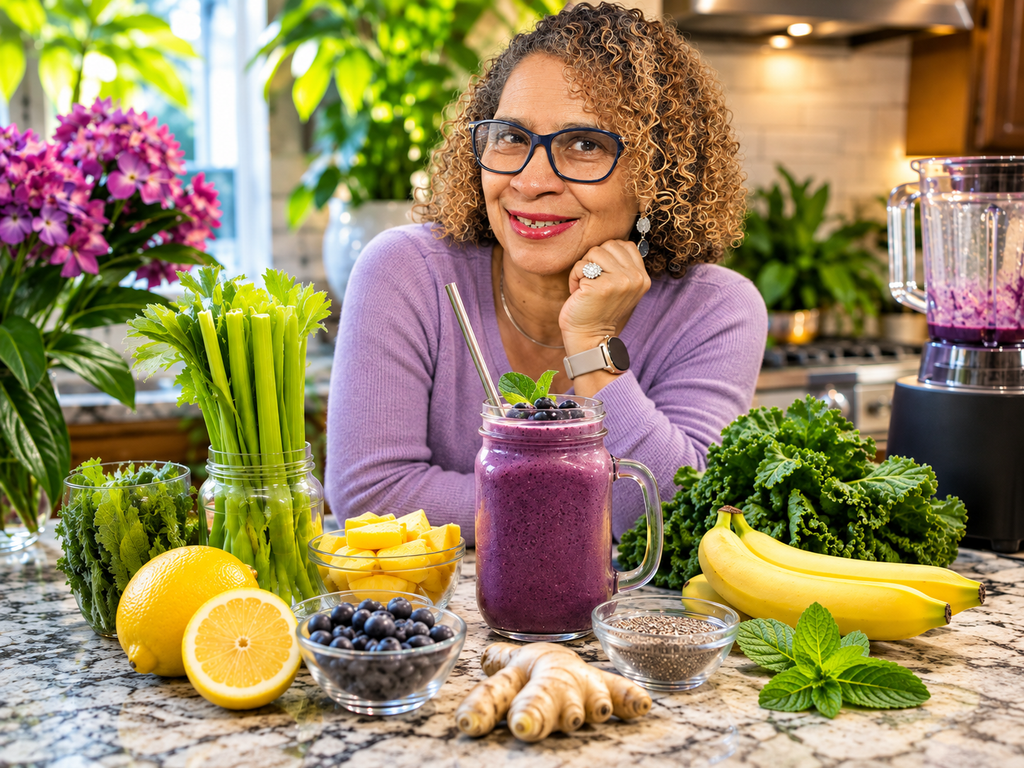
I’ve long believed in taking a natural, whole-food approach to supporting my health. For me, that means being mindful of what I eat, preparing most of my meals at home, and incorporating herbs, vitamins, and minerals into my daily wellness routine. I use several liquid herbal and nutritional supplements, including zinc, vitamin B12, lemon balm, cat’s claw, vitamin C, and vitamin D3.
In my kitchen, you’ll often find turmeric, garlic, onions, and plenty of fresh fruits and vegetables. I also enjoy making smoothies with wild blueberries, bananas, cilantro, and Atlantic dulse.
Over the years, I’ve learned that caring for my health is about more than any one food or supplement. It’s about the choices I make consistently, staying informed, and paying attention to what my body needs. My approach continues to evolve as I learn, but my belief in the value of wholesome foods and thoughtful, natural wellness practices remains a guiding part of my life.
Conclusion: Embracing Nature, One Small Habit at a Time
Nature provides us with an extraordinary variety of foods, plants, and experiences that can enrich our lives.
From the nutrients in colorful fruits and vegetables to the calming experience of a quiet walk outdoors, everyday opportunities to support our well-being are all around us.
Modern research continues to reveal fascinating connections between nutrition, the microbiome, physical activity, stress management, and overall health.
At the same time, traditional wellness practices remind us that caring for the mind, body, and spirit has been an important part of human life for generations.
You don’t need to embrace every natural remedy or completely transform your routine overnight.
Start with something simple.
Choose a nourishing meal. Take a refreshing walk. Make time for rest. Learn something new about the foods you eat.
Over time, these small choices can become meaningful habits that support a more balanced, intentional approach to healthy living.
Small changes. Real food. Better health. One step at a time.
Sources & Further Reading
The following resources provide additional scientific background on the topics discussed in this article.
- National Center for Complementary and Integrative Health. Nutritional Approaches for Musculoskeletal Pain: What the Science Says.
- National Center for Complementary and Integrative Health. Echinacea: Usefulness and Safety.
- National Center for Complementary and Integrative Health. Turmeric: Usefulness and Safety.
- NIH Office of Dietary Supplements. Probiotics: Fact Sheet for Consumers.
- National Center for Complementary and Integrative Health. Lavender: Usefulness and Safety.
- National Center for Complementary and Integrative Health. Tea Tree Oil: Usefulness and Safety.
- NIH Office of Dietary Supplements. Magnesium: Fact Sheet for Consumers.
- NIH Office of Dietary Supplements. Vitamin C: Fact Sheet for Health Professionals.
- National Center for Complementary and Integrative Health. Meditation and Mindfulness: Effectiveness and Safety.
- World Health Organization. Physical Activity.
Educational Disclaimer
This article is provided for general educational purposes and is not intended to diagnose, treat, cure, or prevent any disease. Natural remedies, herbal products, and supplements may carry risks or interact with medications. Consult a qualified healthcare professional before making significant changes to your health routine, particularly if you have an existing medical condition, are pregnant or nursing, or take prescription medications.